Table of Contents
What is KanBan?
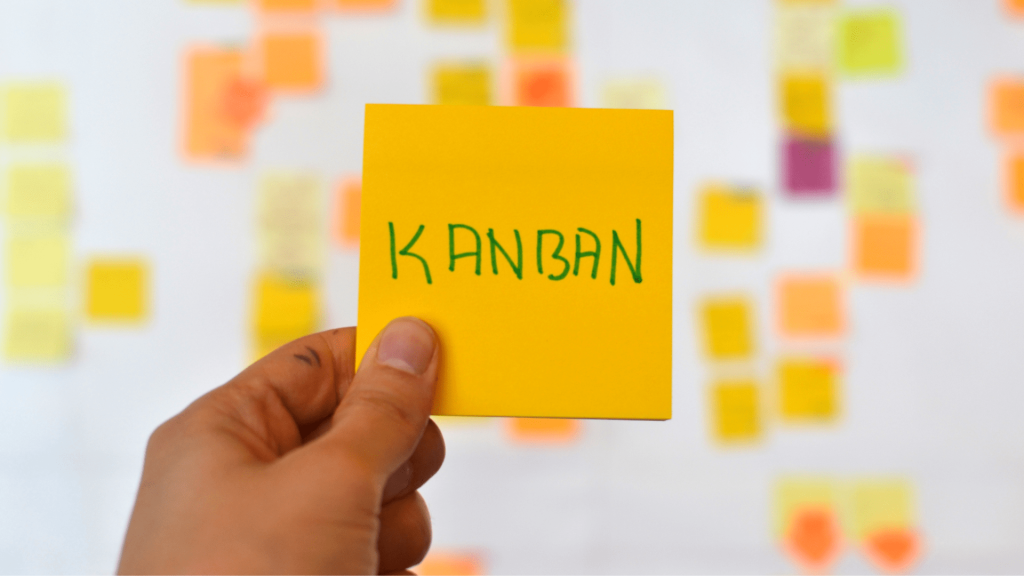
KanBan originally evolved as a lean manufacturing system in Japanese auto manufacturing but has since been expanded to various industries as a method for improving communication efficiency. At Seitel Systems, we have incorporated it into our work processes in our Service Desk and Field Services to ensure our clients get timely resolutions to their needs.
How We Use It:
Kanban plays a crucial role in streamlining our operations, ensuring transparency, and fostering collaboration among team members. Here’s how we implement it in different areas of our work:

Service Desk Workflow
When a client’s needs are brought to the Service Desk, our team creates a ticket and assigns it to the appropriate Work Center based on the nature of the request. Each Work Center is staffed by one or more technicians responsible for handling specific types of tasks. The ticket progresses through various status levels, such as Ready to Work, Active, or Completed. This status tracking system provides clarity and ensures that all team members are aware of the task’s progress.
For example, when a technician changes a ticket status from Ready to Work to Active, it signals that the task is being addressed. This transparent process minimizes delays and ensures no tasks are overlooked.
Field Services Management
In our Field Services, we use Kanban to manage Work Centers that serve multiple clients. These centers are supported by two or more engineers. Each Work Center assigns one engineer as the primary contact while another acts as the supporting engineer. This shared responsibility ensures continuity of service, even if the primary engineer is unavailable. The Kanban system helps the team track and prioritize client needs, preventing tickets from being delayed or lost due to workload constraints.
The Benefits of Kanban
Implementing the Kanban system has brought several significant advantages to our workflows:
- Improved Communication: The real-time status updates provided by Kanban enable seamless communication within and between teams. Everyone knows the current workload and which tasks are being prioritized.
- Increased Efficiency: By creating Work Centers with clear processes and shared responsibilities, we can address tickets faster. Limiting work in progress prevents bottlenecks and ensures a steady flow of task completion.
- Reduced Delays: Tasks no longer get lost or delayed, as the Kanban system ensures visibility for every ticket. This level of organization enables us to meet our clients’ needs promptly.
- Enhanced Client Service: Our improved efficiency allows us to dedicate more time to collaborating with clients, helping them optimize their IT environments and workflows. This personalized attention is part of what sets us apart as an IT service provider.

The Results:
In both instances, changing ticket status provides immediate communication to our teams on which tasks need to be worked on or not. Creating Work Centers with supporting staff and clear processes has improved our efficiency, moving tickets through at a quicker rate and reducing tasks getting lost or delayed.
The efforts we’ve taken to improve our environment and workflows enable us to spend more time partnering with our clients to improve their IT environment and workflows. This care and attention to process are part of the excellent service that sets us apart among IT service providers.
Interested in thinking about how you can improve your work environment? Let’s start a conversation about the right technological tools that meet your needs and improve your team’s communication and efficiency.
Have you used KanBan in your work? Share about your experience on our social media!