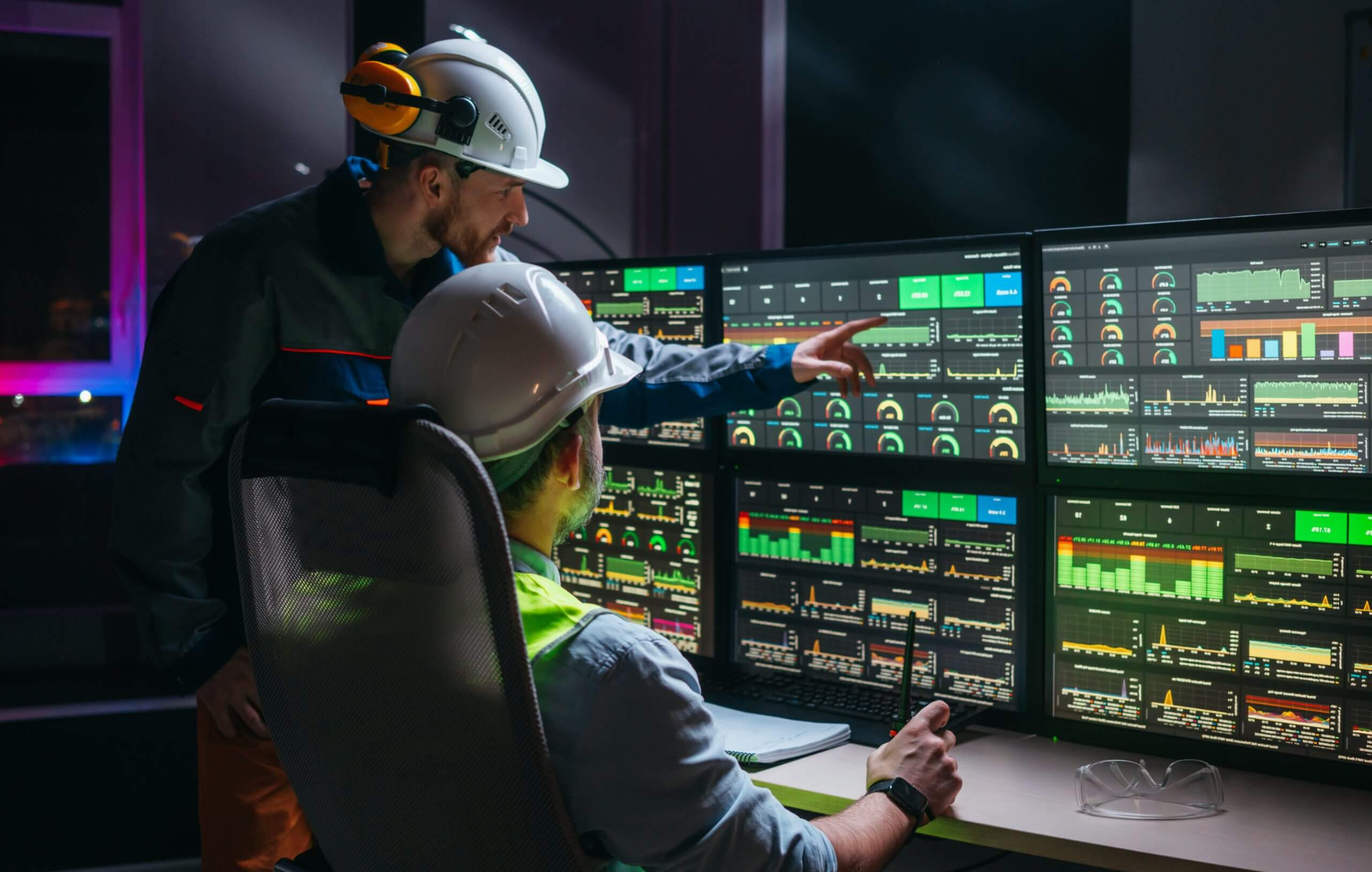
Public utilities, such as water and sewer districts, are the backbone of our communities—quietly ensuring that clean water flows to homes, wastewater is treated, and essential services run without interruption. At the heart of these operations are SCADA systems, which serve as the control centers that keep everything working smoothly. When these systems are functioning properly, they allow utilities to monitor performance, respond to changes, and address issues before they become emergencies.
SCADA, which stands for Supervisory Control and Data Acquisition, is both a hardware and software system that allows operators to oversee and control industrial processes. It uses sensors to collect data from equipment such as pumps, valves, and motors, transmitting that information in real time to a central interface. Operators can then analyze the data, receive alerts if something is wrong, and even make adjustments remotely—all of which help keep services reliable and safe.
The Technology Infrastructure SCADA Needs
Behind every SCADA system is a network of computers, communication equipment, and industrial devices that must work together seamlessly. This includes:
- Servers and workstations to host the SCADA software and operator interfaces
- Network switches, routers, and firewalls to handle data transmission securely
- Reliable internet or private network connections to link remote sites and control centers
- Industrial control hardware such as programmable logic controllers (PLCs) and remote terminal units (RTUs)
- Data storage solutions for logging operational history, compliance records, and maintenance reports
For a SCADA system to function effectively, its underlying IT infrastructure must be both robust and resilient. Downtime in the network can result in a loss of visibility or control—something no utility can afford. Proactive monitoring, redundant systems, and secure configurations are essential to keeping these operations online.
Security Concerns for SCADA Systems
Because SCADA systems operate on computer networks, they can be targeted by cyberattacks. Incidents like the 2023 cyberattack on the Municipal Water Authority of Aliquippa, Pennsylvania—where hackers gained access to a SCADA-controlled booster station and temporarily shut down its automatic controls—highlight the risks. A successful breach can disrupt operations, damage equipment, or even potentially threaten public safety.
Common security concerns include:

- Unauthorized access from weak credentials or a lack of multi-factor authentication
- Network vulnerabilities due to poor segmentation between operational and administrative systems
- Unpatched software that leaves known exploits open
Long before ransomware attacks on water districts made national headlines in 2020, Seitel Systems had already helped multiple Washington State water and sewer districts address SCADA network vulnerabilities that could have left them exposed.
Practical Steps to Stay Secure
Some of the most effective SCADA security measures are straightforward:
- Tight credential management — Limit access by role, use time-based permissions, and enforce multi-factor authentication.
- Network segmentation — Keep SCADA networks isolated from general IT systems to reduce the risk of a single breach spreading.
- Professional vulnerability testing — Conduct simulated cyberattacks to identify weaknesses before an attacker does. This often includes penetration testing, network scans, and security audits to find and close gaps in your defenses.
Employee training and awareness — Even the strongest technical safeguards can be undone by human error. Seitel Systems offers security awareness programs, including simulated phishing exercises and workshops tailored to different staff roles, to help organizations recognize and respond to threats effectively.
How Seitel Systems Supports Water and Utility Operations
Seitel Systems’ reputation for reliability is why many public utilities and water districts across the greater Seattle area choose us as their IT partner. Our SRP proactive IT support plans include:
- Continuous monitoring for unusual network activity
- Scheduled onsite and remote support
- Intrusion detection software to catch attacks early
- Detailed IT security assessments and infrastructure improvement plans
We start by evaluating your current IT environment for vulnerabilities and performance issues. Then we apply industry best practices to stabilize and secure your infrastructure, protect against cyber threats, and keep your critical operations running. Additionally, we can work with your SCADA provider to ensure we address all your systems’ needs.
Washington Association of Sewer and Water District 2025 Fall Conference
We are speaking at this year’s WASWD Fall Conference in Spokane, WA! Attend our president’s session on how you can safely and practically use AI tools to make your everyday workday easier. Stop by our booth (Booth #15) to ask questions, learn about how we are currently supporting other water districts, and explore our IT services and resources.
“How to Take Advantage of AI Right Now” by David Leonhardt
Wednesday, September 17, from 10:30 – 11:30 AM
Your SCADA system is only as strong as the IT infrastructure and security behind it. With Seitel Systems as your partner, you can ensure both are built to withstand today’s challenges and tomorrow’s demands.